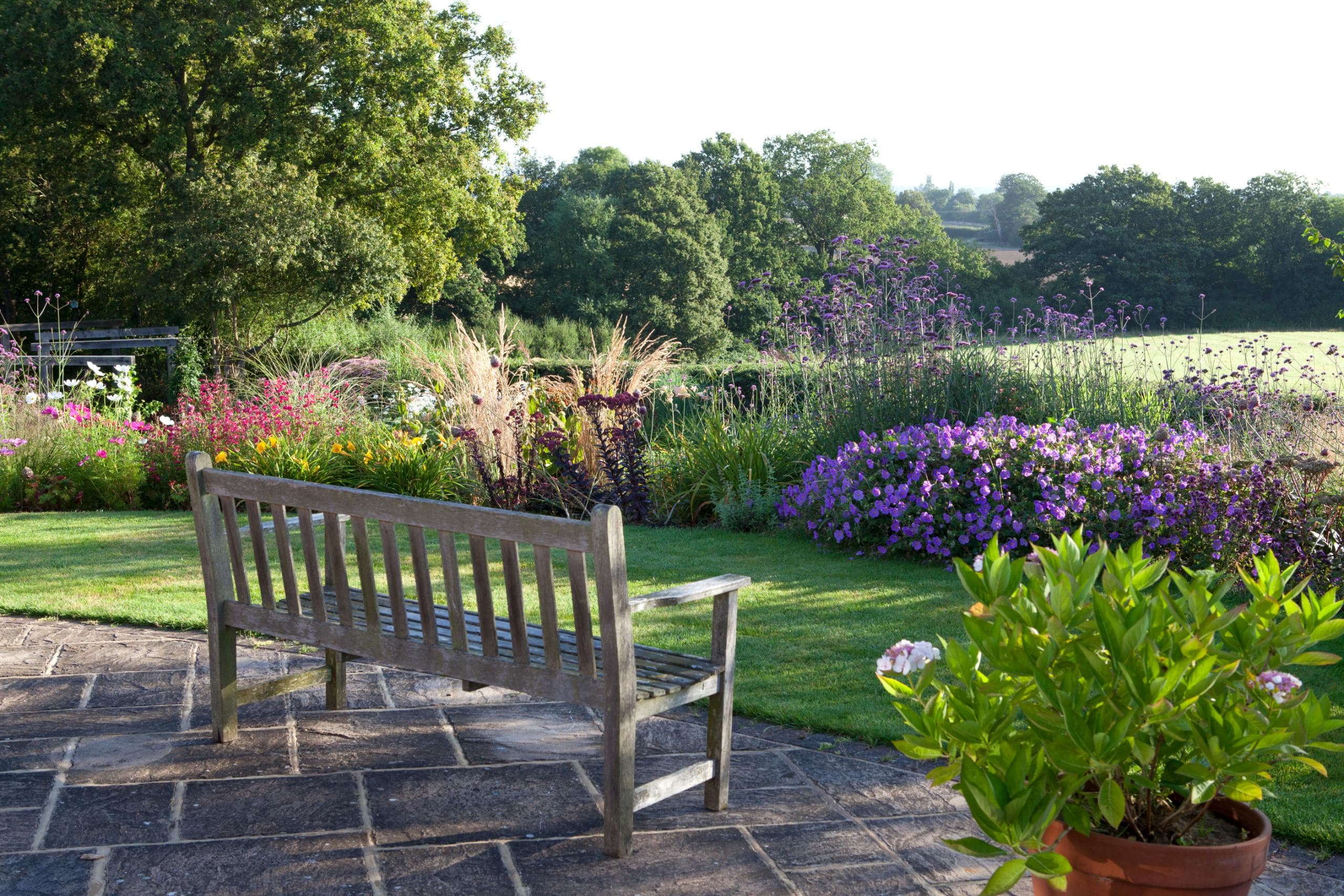
Why a Well-Designed Garden Can Transform Your Mental Wellbeing
There are few spaces in our lives that offer true stillness.
Inside the home, we are surrounded by screens, to-do lists and the quiet hum of everyday demands. Outside, the world can feel equally fast-paced. A thoughtfully designed garden offers something different entirely: a place to breathe, to reset, and to reconnect with yourself.
At We Love Plants, we have always believed that gardens should do more than simply look beautiful. The most successful outdoor spaces are those that change how you feel the moment you step into them.
A well-designed garden can calm the mind, lift the mood and create a sense of everyday sanctuary.
The Psychological Power of Green Space
There is something deeply instinctive about our connection to nature.
The movement of grasses in the breeze, the sound of leaves overhead, the rhythm of seasonal change — these elements gently draw us away from the mental noise of daily life.
Studies continue to show that time spent in green spaces can help reduce stress, lower anxiety and support emotional wellbeing. Even brief periods spent outdoors, surrounded by planting and natural textures, can have a restorative effect.
But the impact is even greater when the space has been intentionally designed around how people want to live and feel.
That is where thoughtful garden design becomes so powerful.
A Garden Designed for Calm
Mental wellbeing is rarely improved by clutter, visual noise or spaces that feel unresolved.
A beautifully designed garden introduces clarity.
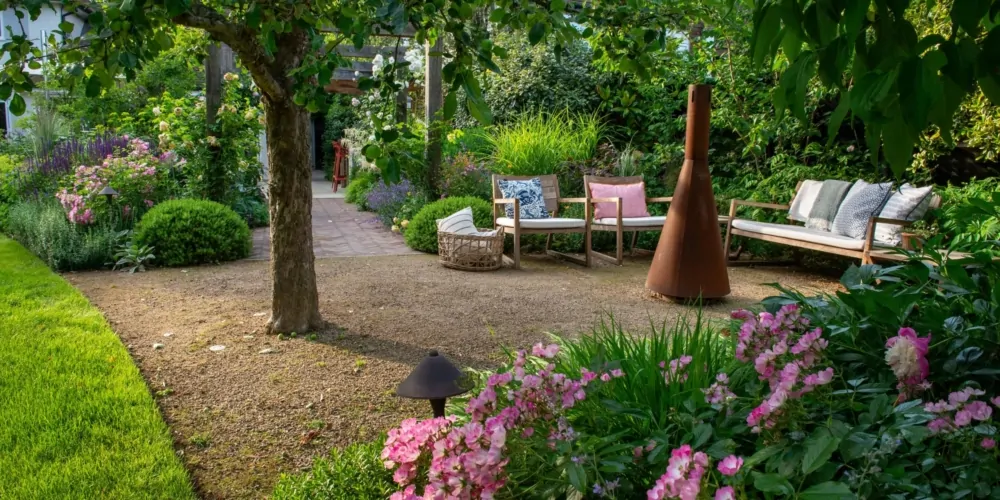
Curved pathways encourage slower movement. Soft planting creates texture and visual rhythm. Seating areas positioned with intention invite pause and reflection. Fragrance from lavender, rosemary or jasmine engages the senses in a gentle, grounding way.
At We Love Plants, we often design gardens to feel immersive and enveloping — spaces that soften the boundaries between house and landscape, and allow clients to feel held by their environment rather than exposed to it.
This sense of sanctuary is often what clients are really looking for, even if they do not initially describe it in those terms.
Planting That Supports Wellbeing
Plants do far more than fill a border.
The right planting scheme can change the emotional atmosphere of a space entirely.
Layered perennials create softness and movement. Evergreen structure provides reassurance and year-round stability. Seasonal highlights bring moments of anticipation and joy — the first tulips in spring, roses in early summer, grasses catching autumn light.
This sense of rhythm matters.
When life feels busy or uncertain, a garden offers gentle reminders of continuity, growth and renewal.
It is one of the reasons planting sits at the heart of everything we do.
Creating Space to Unwind
A well-designed garden also changes behaviour.
People spend more time outside when the space feels welcoming and easy to use.
That might mean a sheltered seating area for morning coffee, a softly lit terrace for evenings, or a quiet corner tucked into planting where the world feels momentarily further away.
Often it is these small rituals that have the greatest impact on mental wellbeing.
The garden becomes part of the daily rhythm of life rather than something viewed only through a window.
More Than Aesthetic Beauty
Beautiful gardens are not simply decorative.
At their best, they support the way we live emotionally as well as practically.
A thoughtfully designed outdoor space can reduce stress, encourage time away from devices, support mindfulness and create moments of calm within busy lives.
For many of our clients across Sussex and Surrey, that sense of wellbeing is one of the most meaningful outcomes of the project.
The beauty is what first draws you in.
The feeling is what makes you stay.